

Curious about how to better understand the impact of teaching changes you’re making in response to generative AI (GenAI)? In this symposium, you’ll hear from colleagues who have adapted their courses to incorporate or deter AI, and you’ll learn about the informal or formal research processes they used to study those changes. Through examples of the Scholarship of Teaching and Learning (SoTL), you’ll see how instructors are gathering evidence, reflecting on student learning, and evaluating what works. You’ll leave with practical ideas for exploring the effects of your own GenAI-related teaching innovations, either for yourself or for future publication.
This symposium is co-sponsored by the Artificial Intelligence Interdisciplinary Institute at Maryland (AIM).
Join us Wednesday, April 29 from 1:00pm to 4:00pm in-person at ESJ-0201.
Lunch will be provided.
Faculty Experts
Jennie Lee-Kim E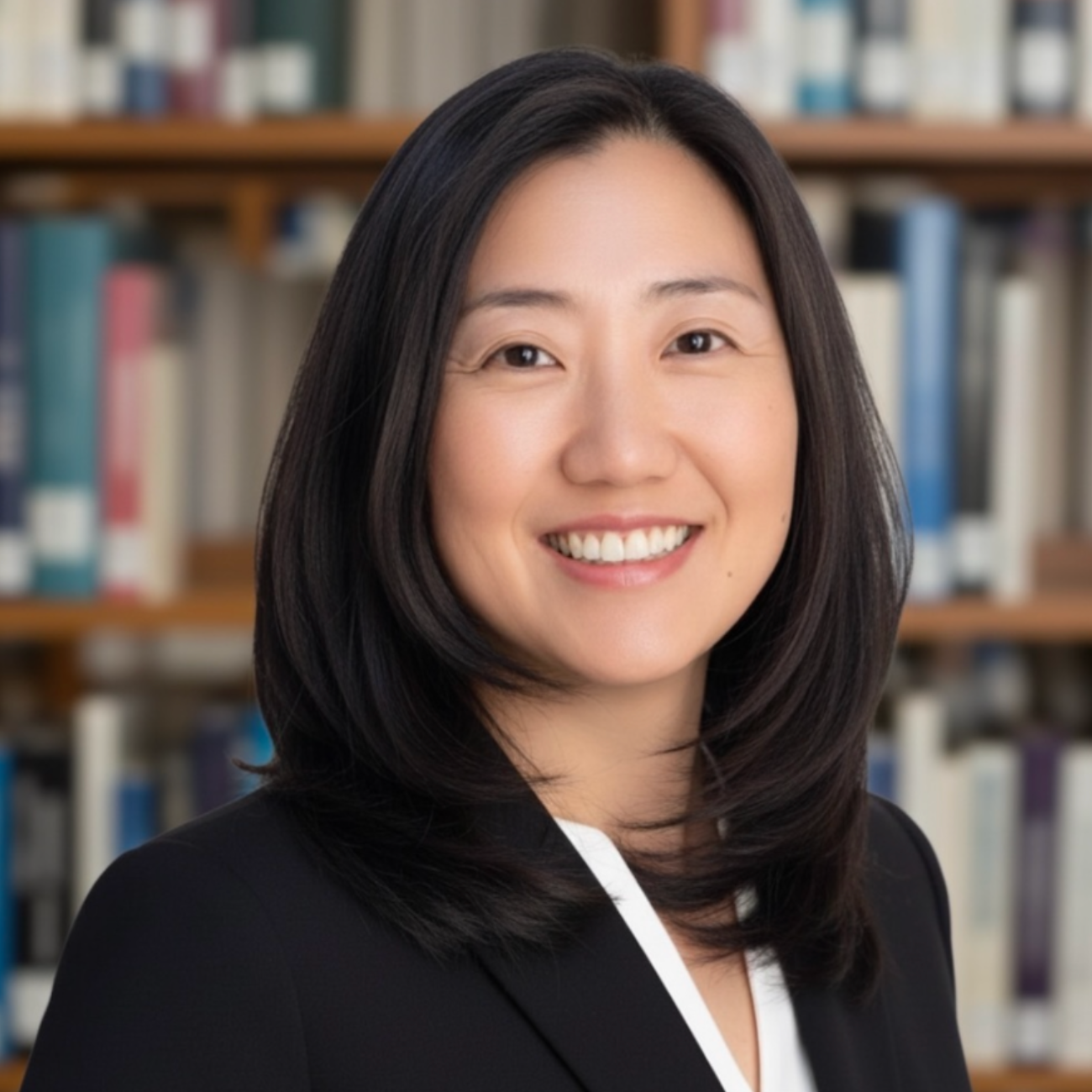 ducation, Human Development & Quantitative Methodology
Dr. Jennie Lee‑Kim is an Associate Clinical Professor in the Department of Human Development and Quantitative Methodology, where she also serves as Director of the Human Development Undergraduate Program and Director of Academic Affairs. As an instructor of human development, she teaches across the curriculum and leads pedagogical research focused on student engagement, inclusiveness, and the role of technology in learning. Her work also examines how college students reason socially and morally about learning and how instructors can design equitable, developmentally grounded learning environments. Recent projects include studies of antiracist pedagogy, the use of Universal Design for Learning to increase accessibility to complex developmental theories, and AI‑supported collaboration to strengthen group work across human development courses.
Emily Neer Education, H uman Development & Quantitative Methodology
Dr. Emily Neer is a lecturer in Human Development and Quantitative Methodology at the University of Maryland, where she fosters student curiosity and agency by designing inclusive, evidence-based classroom environments rooted in Universal Design for Learning (UDL) practices. Collaborating with fellow researchers, Dr. Neer focuses on innovating curriculum by integrating AI tools into course learning opportunities and assignments. By bridging foundational course material with emerging technology, she creates student-led opportunities to engage in critical and creative thinking.
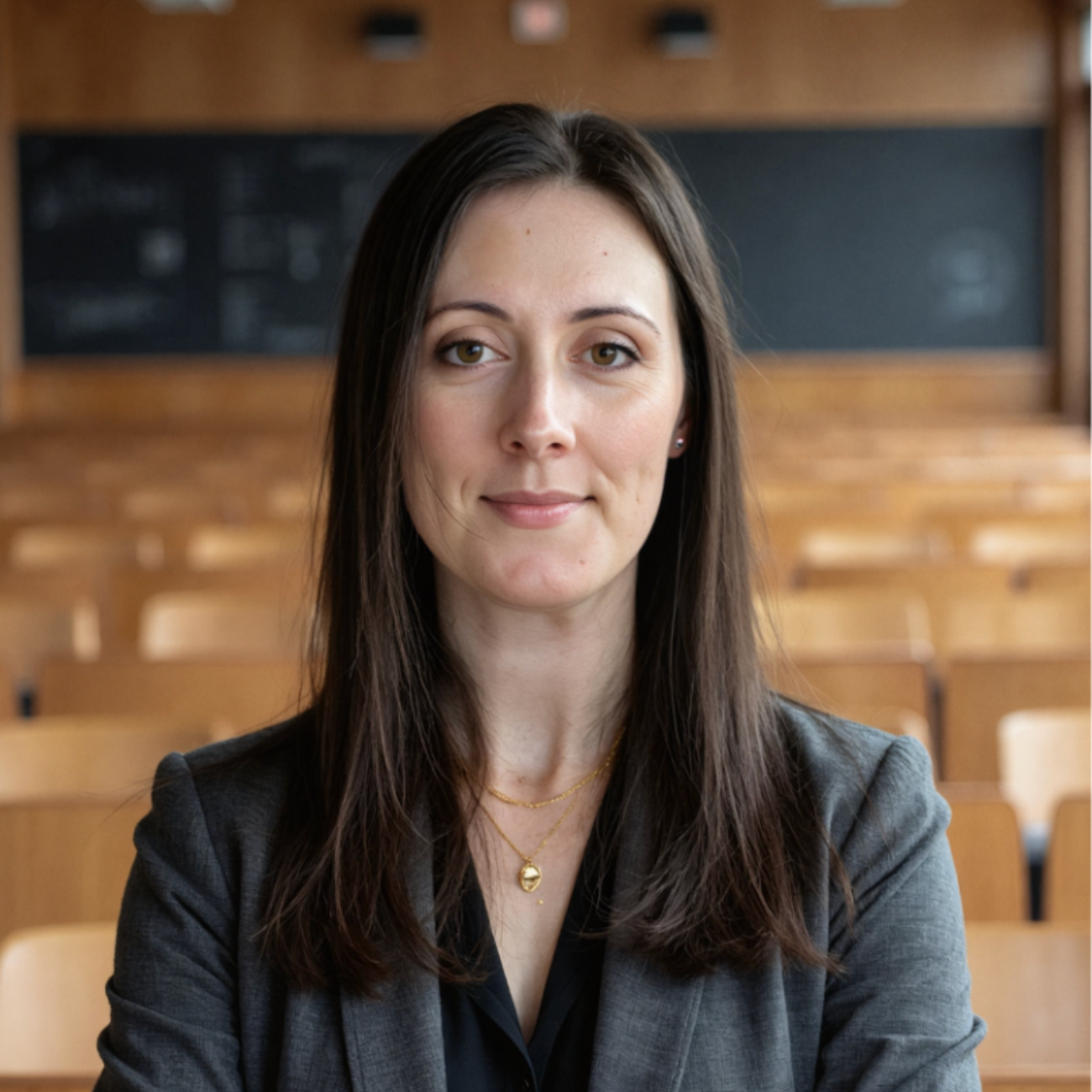 Tracy Tomlinson Psychology
Dr. Tracy Tomlinson is a Principal Lecturer in Psychology at the University of Maryland and an award-winning teacher whose work centers on ethical, evidence-based pedagogy. She is known for integrating generative AI into teaching in ways that help students critically assess AI tools while strengthening scientific literacy, metacognition, and ethical judgment. She regularly speaks with faculty about using AI to support engagement and learning and is a 2025-26 Senior Fellow for Generative AI Pedagogy at the William E. Kirwan Center for Academic Innovation at the University System of Maryland.
 Kaci Thompson Computer, Mathematical, & Natural Sciences
Dr. Kaci Thompson is an instructor and assistant dean for science education initiatives in the College of Computer, Mathematical, and Natural Sciences (CMNS). She directs the BioFIRE living and learning program and created the Catalyst seminar to encourage earlier engagement of students in individually mentored research. She received the University of Maryland's 2024 Kirwan Undergraduate Education Award in recognition of her exceptional contributions to the quality of undergraduate education at the university.
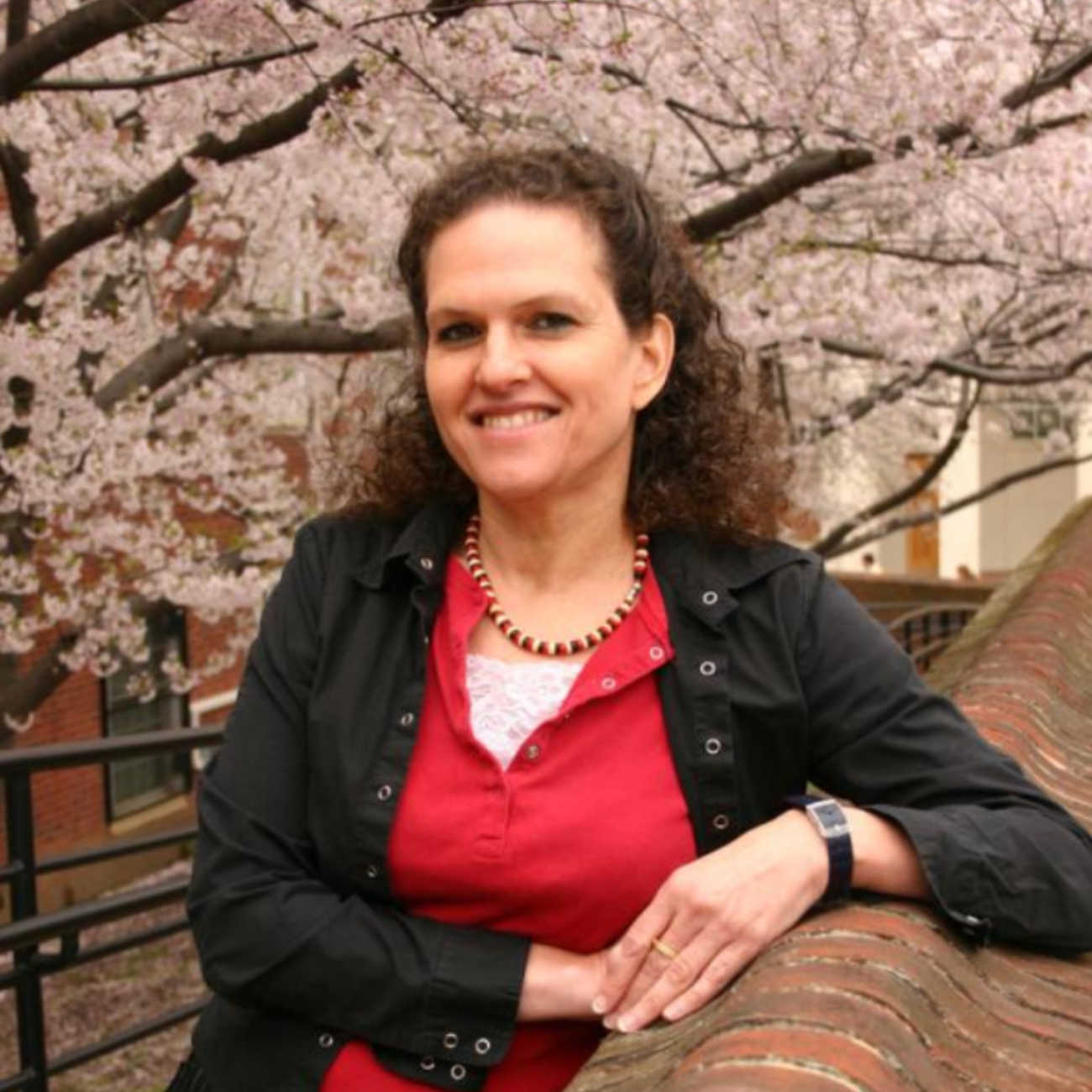 Gili Marbach-Ad Computer, Mathematical, & Natural Sciences
As Director of the CMNS TLC, Dr. Marbach-Ad promotes faculty adoption of evidence-based teaching approaches in science courses and develops novel assessment tools for teaching and learning initiatives. She serves on multiple National Science Foundation (NSF) and Howard Hughes Medical Institute (HHMI) funded initiatives as a PI, senior personnel, evaluator, and advisory board member. Marbach-Ad has published extensively on her research in teaching and learning.