
Teaching & Learning Transformation Center
About Us Instructors TA/GAs Students Educational Effectiveness
About Us
Citations Contact Us Digital Badging Meet the Team Mission Strategic Areas TLTC Newsletter Sign Up TLTC Room Reservations
Instructors
Communities Consultations Course Design Support Emergency Closures & Instructional Continuity GenAI in Teaching Resources Spring Symposia Teaching Innovation Grants Overview Technology TLTC Teaching Academy Workshops
TA/GAs
Orientation to Teaching Peer Mentors (AMP) Teaching & Learning Program (UTLP) Teaching Resources Workshops
Students
Academic Coaching Become a Learning Leader Campus Resources Get Help with a Class Guided Study Sessions Learning About Learning Math Success Program
Educational Effectiveness
Course Inquiry Starter Kit (TLTC) Custom Analyses Guided Tools Self-Service Tools
Citations Contact Us Digital Badging Meet the Team Mission Strategic Areas TLTC Newsletter Sign Up TLTC Room Reservations
Communities Consultations Course Design Support Emergency Closures & Instructional Continuity GenAI in Teaching Resources Spring Symposia Teaching Innovation Grants Overview Technology TLTC Teaching Academy Workshops
Orientation to Teaching Peer Mentors (AMP) Teaching & Learning Program (UTLP) Teaching Resources Workshops
Academic Coaching Become a Learning Leader Campus Resources Get Help with a Class Guided Study Sessions Learning About Learning Math Success Program
Course Inquiry Starter Kit (TLTC) Custom Analyses Guided Tools Self-Service Tools
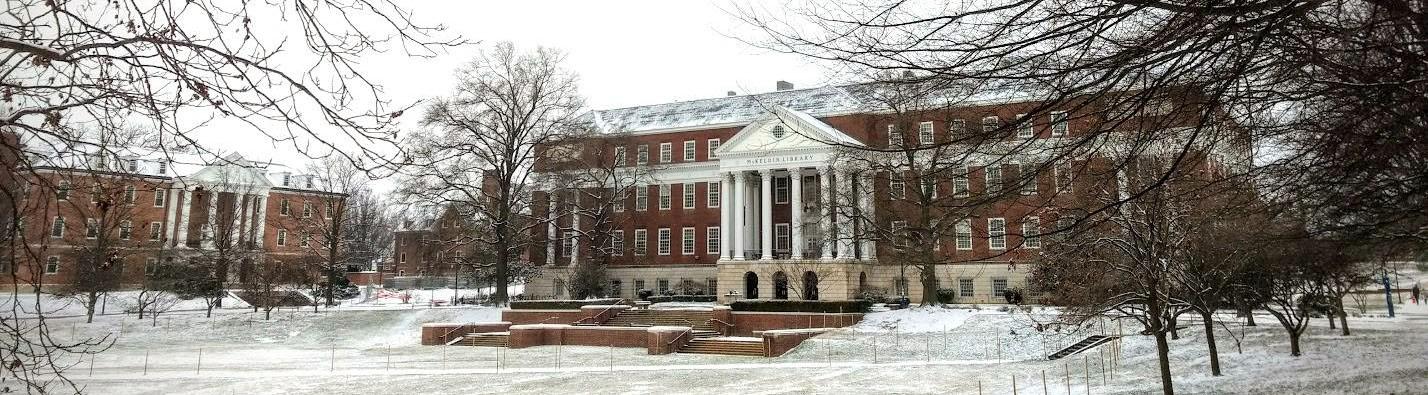
Photo of McKeldin Library in the snow.

Share Expectations with Your Students

Home Share Expectations with Your Students

During unexpected disruptions, we need to do everything we can to make expectations for our courses clear. 

Make Your Plan

For a long term disruption, think through a course pattern or rhythm. When will you post content for a new lesson or unit? When should students read course materials and watch lecture videos? When are weekly assignments due? If your course is synchronous (in-person or online) what should students read, watch, review, or complete before coming to class? 

For a short term disruption, make a plan for how you will adjust activities, assignments, and class time. Don't assume all students have access to a computer - some may be working from a cell phone or rely on the library for computer access.

Share with Students

Share your expectations in your syllabus (for long term disruptions) or in an announcement or email.

Another place to share this information is on the “Getting Started” page of your course ELMS site. Search for the TLTC Online Template in Canvas Commons, import the template into your course site, and edit the “Getting Started 2” page. More detailed instructions can be found here - Importing Templates from Canvas Commons to ELMS.

Gather Feedback and Respond

Create an anonymous, ungraded survey in ELMS-Canvas to receive feedback from students. After reviewing the feedback, have a conversation with students to share the following: 

  • What you can adjust a little for the whole class
  • Your rationale for keeping certain things the same

Teaching & Learning Transformation Center
4131 Campus Drive, College Park, MD 20742, USA
tltc@umd.edu 301-405-9356